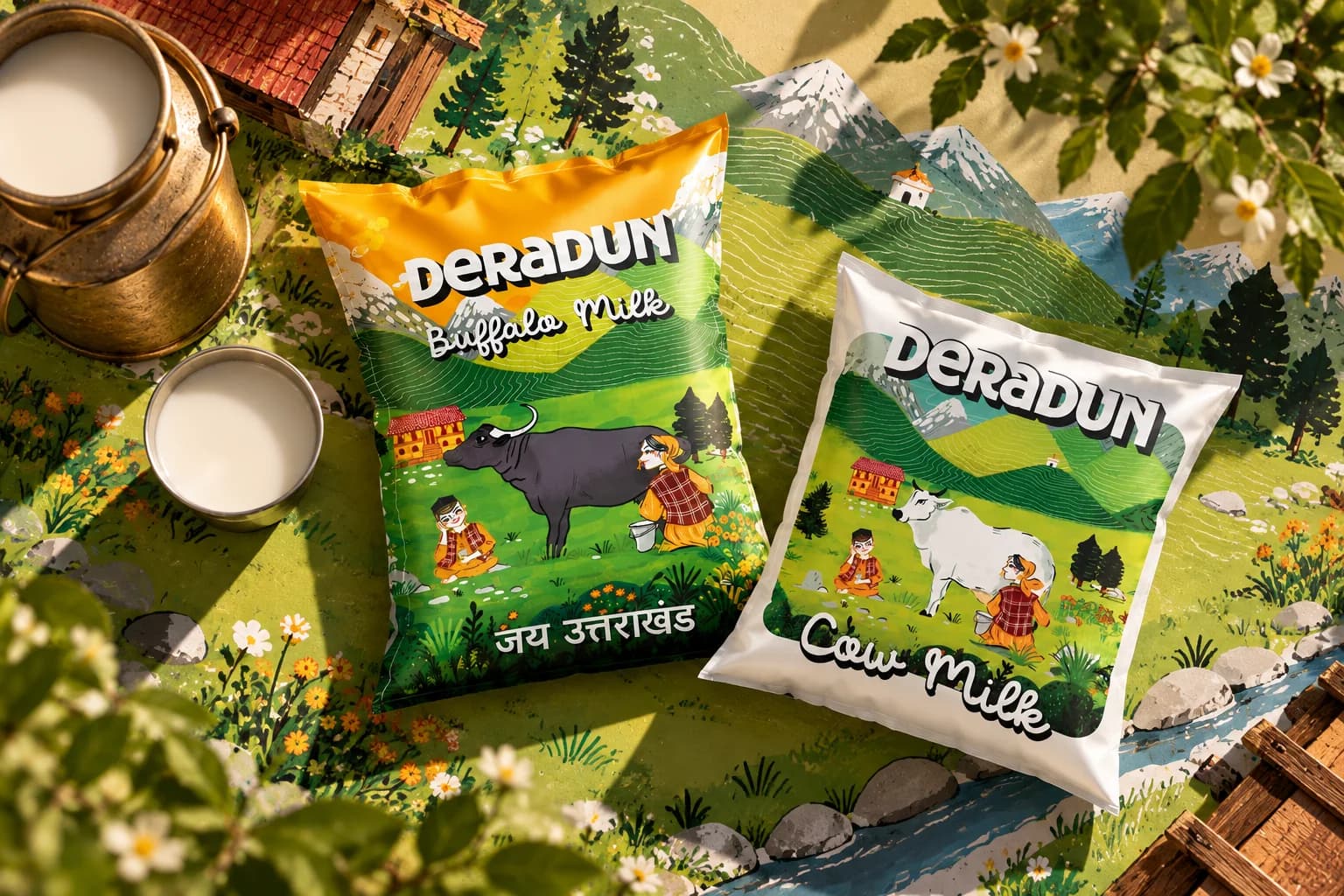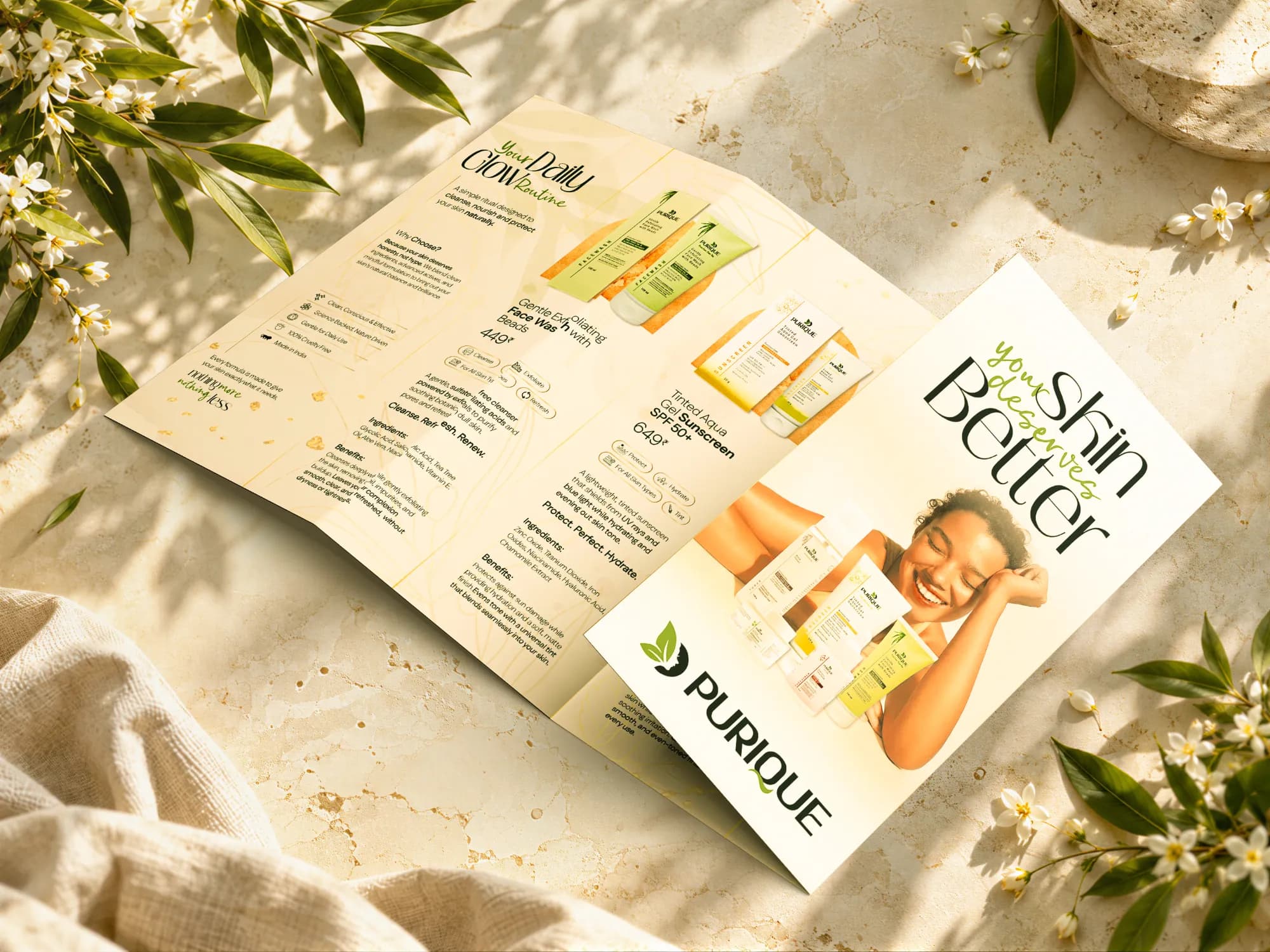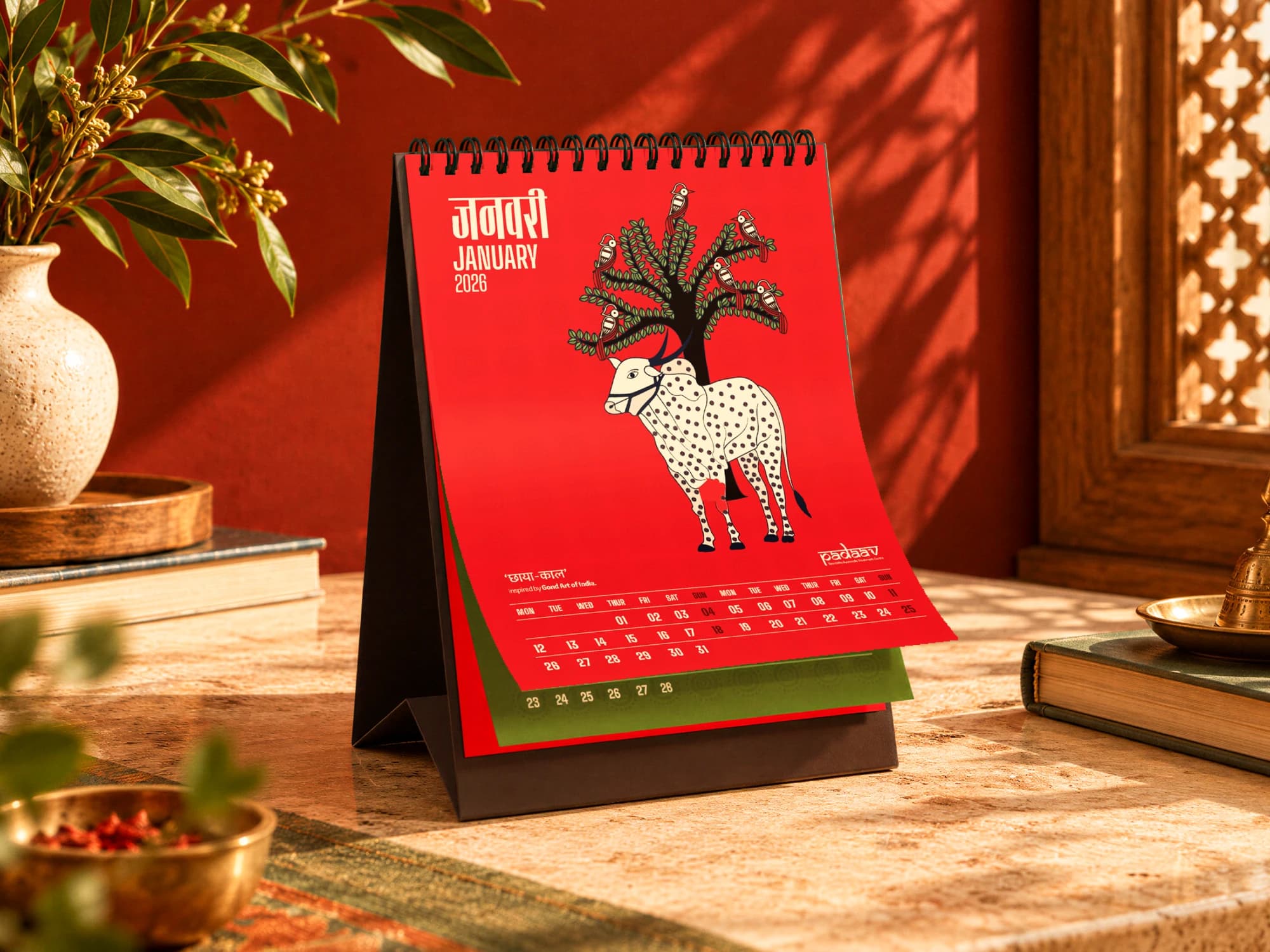
At Dā Art Lab, we have always believed packaging is far more than a protective shell. It is the first handshake with the customer, the silent salesman on the shelf and the tangible expression of a brand’s promise. This year we stepped into PackPlus Delhi 2025, India’s biggest event for packaging, converting and supply chain, at Pragati Maidan. The scale of innovation in packaging design became real before our eyes.
The show floor was a sensory feast: metallic glints, textured surfaces, smooth foil sheens, recycled brown kraft and bright UV finishes, all competing for attention. Yet beneath the aesthetic appeal we noticed a subtle undercurrent driving the industry: a conscious shift towards sustainability, smarter printing and storytelling through design.
01/ 11
Inside the aisles: craft, technology and sustainability
Walking through the vast halls, we saw more than products. We saw ideas in physical form:
- Sustainable substrates replacing plastics with recycled papers, biodegradable films and plant-based laminates.
- High-end print finishes such as cold foiling, spot UV and tactile coatings that deliver luxury without excess waste.
- Interactive labels with QR codes that lead to videos, sourcing details or brand stories, connecting the physical package to a digital narrative.
- Functional enhancements such as resealable closures, anti-counterfeit printing and moisture-proof coatings, proving that packaging is about protecting the brand and the consumer as much as about looks.
Global powerhouses like Konica Minolta showed cutting-edge digital printing machines capable of short-run, variable-data jobs, while smaller, agile Indian manufacturers showed how creativity and constraint can live together.
02/ 11
A personal highlight: our Deradun ghee label
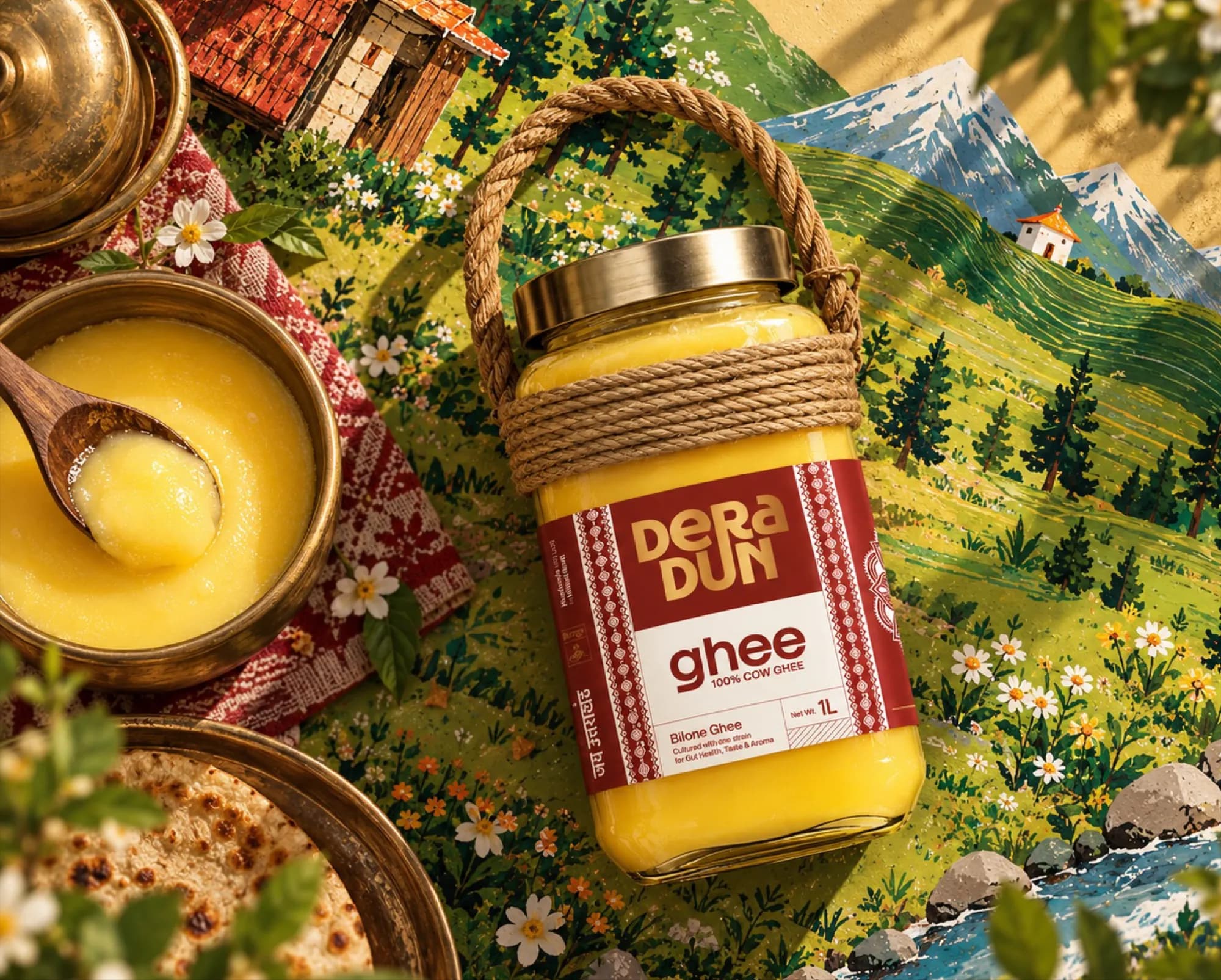
Among the many stalls and endless innovations, one moment stood apart for us: spotting our Deradun ghee label in production.
It was not just another job. It was a manifestation of our design philosophy:
- Metallic accents that shimmered subtly without overpowering the heritage aesthetic.
- An embossed logo that invited touch, creating a tactile connection to quality.
- A textured paper stock that whispered tradition and craftsmanship, setting it apart from glossy, mass-market alternatives.
This label was designed to tell a story before the jar was even opened, one of purity, trust and regional pride. Seeing it executed perfectly reaffirmed our belief that design is only as strong as its execution. The story of how the identity began is in Finding the Monal.
03/ 11
Five packaging innovations shaping India’s next decade
04/ 11
1. Mono-materials and recyclable adhesives
With India’s EPR (Extended Producer Responsibility) norms gaining traction, brands are increasingly turning to single-material solutions. For designers, this means creating differentiation through finish contrasts such as matte against gloss and foil against raw stock, while keeping recyclability intact.
05/ 11
2. Cold foil over full metallisation
Cold foiling offers the glamour of metallics with lower environmental impact and more efficient production. This is particularly relevant for luxury FMCG and cosmetics packaging in India, where premium aesthetics meet price sensitivity.
06/ 11
3. Variable-data printing and micro-storytelling
Brands can now print unique designs or messages on every batch: seasonal editions, festival greetings or regional storytelling. It turns packaging into a collectible object rather than a disposable one.
07/ 11
4. Minimalism as luxury
The shift from over-the-top glossy graphics to understated elegance is real. Blind embossing, subtle debossing, single-colour foils and uncoated tactile stocks signal exclusivity without loudness.
08/ 11
5. Smart packaging technologies
QR-enabled authenticity checks, freshness indicators and AR experiences are moving from novelty to expectation. As India’s smartphone penetration deepens, the connected package will become standard, not special.
09/ 11
The Indian opportunity and its roadblocks
India’s packaging market is one of the fastest-growing in the world, projected to jump from USD 101 billion in 2025 to nearly USD 170 billion by 2030. This is powered by a growing middle class, rising e-commerce and increasing awareness of sustainability.
Yet the reality on the ground is layered:
- Price sensitivity means sustainable or high-finish solutions are often dismissed as too premium for mass markets.
- High minimum order quantities from many suppliers discourage smaller brands from experimenting.
- Outdated technology in certain print segments limits what is possible domestically without outsourcing or importing.
But the flip side is exciting. Indian printers are resourceful. Given the right design brief and collaboration, even a Tier-2 city print unit can match global standards. The potential for global-level design with local execution is enormous.
10/ 11
Where Dā Art Lab sees the future
From our experience at PackPlus and years in the industry, the road ahead for packaging design in India lies in:
- Sensory-first experiences: engaging touch, sight and even sound through materials and finishes.
- Digital-physical storytelling: where every package is a portal to an immersive brand world via QR, AR or NFC.
- Localised premium: merging indigenous materials and art with high-end finishing techniques.
- Short-run prototyping: allowing brands to test ideas without committing to massive production runs.
11/ 11
Closing thought
The takeaway from PackPlus Delhi 2025 is simple:
Great packaging doesn’t shout. It whispers the right story into the right hands.
At Dā Art Lab, we see packaging as a meeting point between brand truth and consumer curiosity. It is where a farmer’s ghee can wear a metallic crown, where a recycled paper bag can feel as premium as silk and where sustainability can be beautiful, not a compromise.
We walked away from the expo not just inspired by the machinery and materials but by the possibility of co-creating the next chapter of Indian packaging, one where design, innovation and sustainability hold equal weight.